London bets on Fractile, a startup aiming to take on NVIDIA's chips
The UK's sovereign AI fund is part of the $720 million round announced on November 11. Yet Fractile has not shipped a single chip in volume: here is what it promises, and what remains to be proven.
Translated from French by AI. The original French article is the reference version.
Between September 9 and October 23, a London startup issued about £577 million in new shares, according to filings with the UK companies register (Companies House), as reported by Dealroom. On November 1, The Telegraph named one of the investors: the Sovereign AI Fund, the public fund created by London to support national artificial intelligence.
The company is called Fractile. According to the newspaper, which cites sources, it is preparing to raise about $700 million at a valuation of about $6.5 billion. That is roughly six times its valuation at the start of the year. Neither Fractile nor the government would comment: the funding round has not been officially announced.
What does Fractile make?
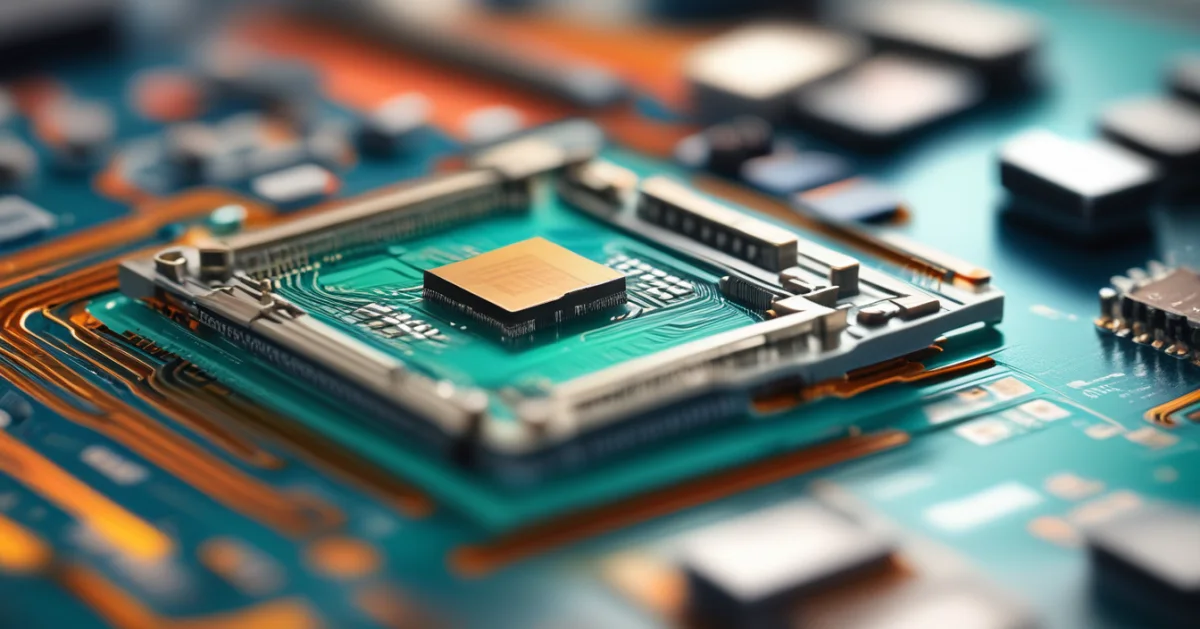
Founded in 2022 by Walter Goodwin, a robotics researcher at Oxford, Fractile designs chips specialized in inference, meaning the running of already-trained AI models when they respond to users. Its bet is to place memory (SRAM) next to the compute units, whereas NVIDIA's graphics cards keep the two separate. The goal: make data travel a shorter distance.
According to Dealroom, Fractile has already signed a first contract worth about $250 million to supply chips to Anthropic, the maker of the Claude AI, and plans to be deployed in data centers in 2027.
How much is the state putting in?
No one is saying officially. The Sovereign AI Fund was given £500 million in public money this year, plus £60 million for direct equity stakes. According to Dealroom, it usually invests between £1 million and £10 million per company, and reportedly paid slightly less for its shares than the final valuation. The site Telecompaper, which also draws on The Telegraph, instead mentions “hundreds of millions of pounds.” The two versions are hard to reconcile until the amount is published.
The private investors are better identified. The US funds Lightspeed and Redpoint are leading the round, alongside Thrive Capital. Founders Fund had already backed the company, which raised $220 million five months earlier.
What to know before seeing a European champion
The bet is risky, and Dealroom stresses the point: Fractile has not yet shipped any chips in volume, its valuation has increased sixfold in a few months, and some investors are distancing themselves from the biggest AI funding rounds. For an IT manager, nothing changes before 2027 at best.
The deal says something above all about European strategy. Like Microsoft with its in-house Maia 300 chip, more and more players want to stop depending on NVIDIA to run their AI. The United Kingdom is choosing to put public money into it. According to The Telegraph, the official announcement could come as soon as this week. We will then learn how much it actually invested.
Update of November 14, 2026
Fractile's funding round is now official. The London startup, which designs chips to run AI models, raised $720 million at a valuation of $7 billion, according to SiliconANGLE, citing Reuters. The round is led by Thrive Capital, Founders Fund, Lightspeed and Redpoint. About a dozen other investors are taking part, including the Sovereign AI Fund, the British Business Bank (the UK's public development bank) and CapitalG, Alphabet's investment fund.
The share of public money is not known: in its November 11 statement, which mentions a round of more than £500 million, the British government says that Sovereign AI, like most venture capital funds, does not disclose the amounts it invests. Fractile plans to deliver its first chips next year, as complete systems for data centers. According to Bloomberg, it reached a preliminary agreement in August to sell about $250 million worth of chips to Anthropic; neither Fractile nor Anthropic has commented.
Method: AI-assisted monitoring, verified sources, article reviewed and approved by Frédéric LENQUETTE. Our editorial policy.
Share this article