Court refuses to let Elon Musk's AI gas turbines skip pollution rules
xAI, Elon Musk's AI company, mounted its turbines on trailers and calls them mobile. On October 30, a Mississippi court rejected that argument, so the pollution lawsuit can move forward.
Translated from French by AI. The original French article is the reference version.
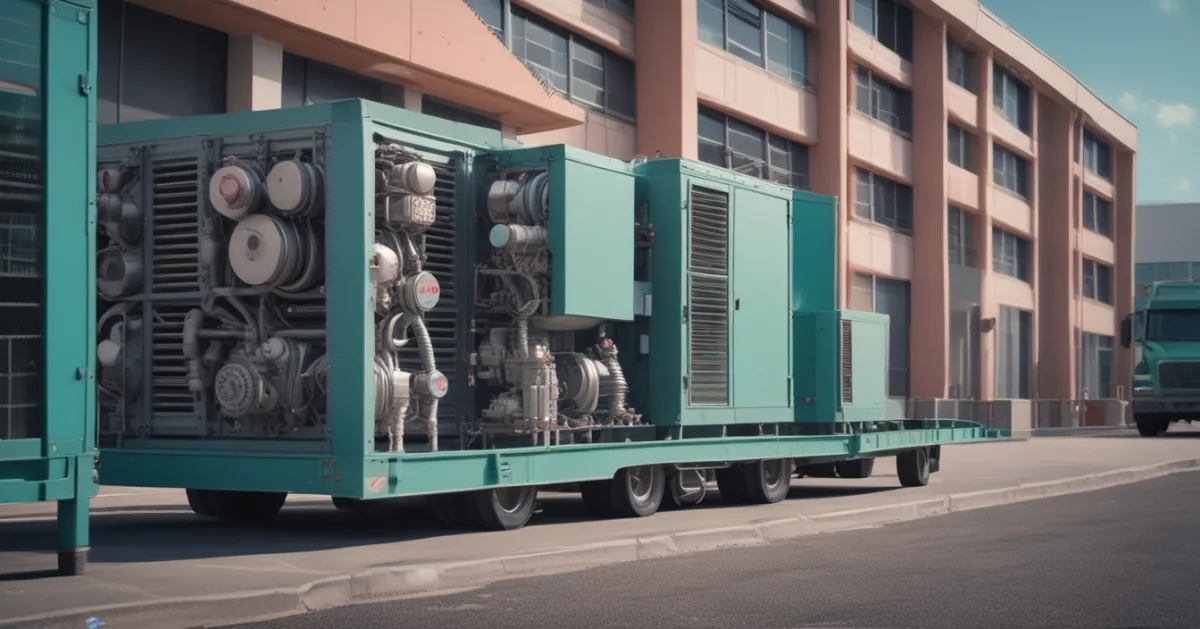
Twenty-seven gas turbines lined up on trailers in Southaven, Mississippi, are the target of a pollution lawsuit. According to the plaintiffs, their capacity reaches at least 495 megawatts. Overhead lines carry this power to Colossus 2, an xAI data center located a few miles away in Tennessee. xAI is the Elon Musk company that develops the Grok AI.
For xAI, the wheels change everything. Mounted on trailers, the turbines would be "mobile" sources, exempt from the rules that apply to fixed power plants. On October 30, the federal court for the Northern District of Mississippi rejected that argument, TechTarget reports. The lawsuit brought by the NAACP, one of the oldest civil rights organizations in the United States, and other plaintiffs can therefore move forward. It invokes the Clean Air Act, the main US law on air quality.
A trailer does not make a vehicle
According to the court, the turbines' ability to be moved does not exempt them from the obligations that apply to fixed installations. xAI also argued that they would stay on site for less than twelve months. The company cited a July 2025 letter from Mississippi's environmental authority. The court ruled that the letter was not binding on it. "A trailer can make a turbine transportable. It doesn't necessarily make its regulatory obligations temporary," sums up Neil Osnato of Persistence Analytics Group, quoted by TechTarget.
What the decision does not settle
The court does not say that xAI broke the law, and it orders no pollution-control equipment. The lawsuit alleges potential, not measured, emissions of about 1,700 tons of nitrogen oxides and 180 tons of fine particles per year. In June, the US Department of Justice had asked the court to dismiss the lawsuit. It cited the importance of this data center to the economy and national defense. The court had rejected that request shortly before, according to Earthjustice, which represents the NAACP.
Electricity, the bottleneck of AI
Generating power on site means not waiting for a grid connection. The case is not unique to the United States: in England, an AI data center planned for Microsoft risks being left without power. The trial will tell whether xAI's shortcut was legal. According to the lawsuit, the company has already run turbines without a permit for Colossus 1. It is planning a third site, Colossus 3.
Method: AI-assisted monitoring, facts verified by a second AI model, article published automatically then reviewed and approved by Frédéric LENQUETTE on November 12, 2026. Our editorial policy.
Share this article